|
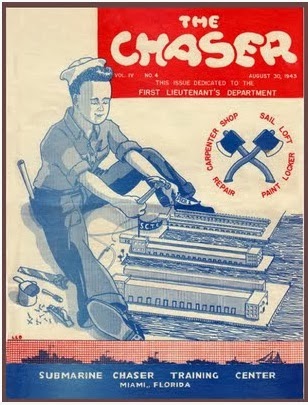
| Historic Naval Document about the FEC Slip, unfortunately Page 2 is missing. |
Miami was central to the coastal war on the German submarines and U-boats. The Germans sank over 400 ships off the coast of the United States from the north all the way around into the Gulf of Mexico.
These attacks gravely affected the free flow of supplies traveling around the point of Florida to our troops, Allies and northern ports. Millions of gallons of crude oil, gasoline, and other petroleum products desperately needed in the Allied war effort were being shipped along the Florida coast in tankers from the south of Miami; places such as Texas, Venezuela, and the islands to New Jersey and New York ports. Between February and May 1942, twenty-four ships were sank off the Florida coast, oftentimes with tourists watching from beach-side hotels while sipping cocktails. There were even rumors of German crew members snapping photos of the burning ships destroyed by their attacks.
World War II came home to Miami on May 14, 1942, with the sinking of the Mexican oil tanker Portero del Llano which occurred close enough to the Miami coastline that the flames could be viewed throughout the night. As the ship drifted, Miamians were dumbfounded to see it floating just beyond their shores. Survivors were brought to Miami and sadly, thirteen crewmen did not live to make it ashore. Following del Llano's sinking and that of another boat, Mexico joined in the war.
 |
| The motto of the sub chaser school on Miami's waterfront: "The difficult things we will do at once, the impossible things will take a few moments longer." |
Miami Beach hosted soldiers on leave on its sandy beaches and ritzy hotels. Coral Gables and the Biltmore Hotel were home to the Army Air Forces Regional Hospital (that's where my husband was born in '46). The Naval Blimp Base was located on what is now known as ZooMiami.
Downtown Miami was the heart of the naval response to the German sub and U-boat attacks. Our good weather coupled with the abundance of hotels available to be commandeered for barracks and offices allowed for the year-round training of Naval Sub-chaser crews. Military boats could be outfitted up the Miami River at the boat yards. Miami city commissioners had to approve zoning changes to accommodate the boat building.
That precious slip by the arena which everyone seems to be so determined to give away, was one of three slips that the sub-chasers were tied to during training. There were classrooms housed in the hangar-like buildings on the edge of the docks. Two of those boat slips now lie filled-in and part of the museum park coastline.
 |
| Submarine Chaser in slip. School to right? |
I could go on and on with stories of the historical importance of Miami and Downtown Miami during WWII. The stories are endless and not very well known by county residents.
What puzzles me is: why is it that the endeavor which spurred the after-war growth of our great community, as well played an incredibly important role in saving lives of American and Allied troops, cannot be memorialized by a simple park and waterfront venue. It is freshly updated, clearly historically important and simply needs it's story told via appropriate signage.
Where is the memorial to the greatness of Miami’s wartime contribution to the people of our country, and perhaps, the world?
David Beckham, YOU of all people, should recognize that the very slip that you seek to acquire helped save your homeland. Do the right thing: Find less sacred digs for your concrete monster.
 |
| The Historic FEC Slip today (thank you Golden Dusk). This is exactly where Beckham wants his soccer stadium. |
_______________________________
the second page is missing of the attachment - I would guess that it was missing from the file when charlie pulled it. I am still looking for other stuff that would be raw notes.